

Aerial Hoop (Lyra): What It Is, Benefits and Where to Buy a Reliable Equipment
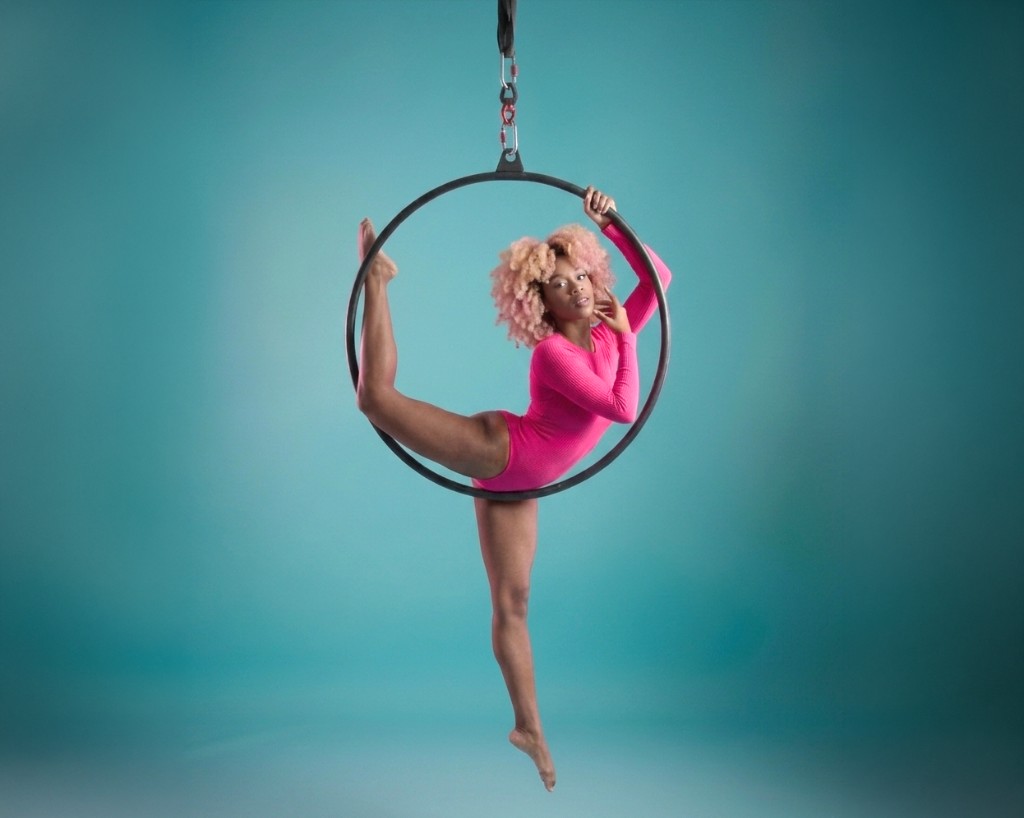
The aerial hoop is that apparatus that looks very much like a hula hoop, but suspended in the air and used by acrobats. Do you know which one it is?
Present in circus shows, artistic performances, and fitness training, the aerial hoop combines strength, technique, and body expression through movements that appear effortless, even while requiring a high level of preparation.
Also known as a lyra or aerial lyra, this apparatus can be practiced by both beginners and advanced athletes.
In this article, you will learn more about the aerial hoop, its functionalities, and where to buy reliable equipment.
What Is an Aerial Hoop (Lyra)?
The aerial hoop is a suspended metal ring that allows practitioners to perform aerial transitions, acrobatic movements, spins, and poses.
Its origins trace back to European classical circus traditions, especially during the 19th century, when performers sought new ways to explore aerial space beyond the trapeze.
Over time, the apparatus evolved and gained popularity outside circus tents, becoming increasingly incorporated into Pole Dance studios, dance schools, and functional fitness spaces.
Aerial Hoop Functionalities and Benefits
The aerial hoop structure is designed to support different types of movement, from static poses to dynamic sequences, making it extremely versatile and full of benefits for practitioners.
Strength Development
Training on the aerial hoop requires upper-body strength, core engagement, and overall body stability. Over time, practitioners develop stronger, more defined muscles and improved physical endurance.
Flexibility and Mobility
Many movements require broad ranges of motion, directly contributing to greater flexibility and mobility throughout the body.
Body Awareness
The aerial hoop develops body awareness, balance, and motor coordination, essential skills not only for aerial practice but also for everyday life.
Artistic Expression
Aerial performances can tell stories, express emotions, and encourage creativity, making the practice both athletic and artistic.
Who Is the Aerial Hoop Recommended For?
The aerial hoop is suitable for different profiles, including:
- Beginners who want to explore the aerial arts world
- Pole Dance practitioners looking to expand their skills
- Athletes and performers seeking to diversify their performances
- Studios wanting to offer new disciplines
Regardless of experience level, it is essential to begin training with professional guidance and high-quality equipment.
Main Characteristics of the Aerial Hoop
Structure and Materials
The aerial hoop is generally manufactured from high-strength seamless carbon steel, ensuring durability and safety during practice.
Finishes may vary, but premium versions feature textured powder coating, offering not only a sophisticated appearance but also excellent resistance to corrosion and impact.
Additionally, hoop diameter may vary according to the practitioner’s height and experience level, making this an important factor when choosing the ideal equipment.
Rigging and Attachment Points
There are three main aerial hoop rigging options regarding attachment points:
Single Point / One Point
Offers greater freedom for spins and swinging movements. Due to its higher degree of instability, it is commonly used in circus performances and by more advanced practitioners.
Double Point / Two Points
Also known as a “tabless” or “cat-eye” lyra, this configuration provides greater stability and is widely used for artistic performances. It is the official hoop style used in the Pole and Aerial Sports World Championship.
Zero Point / No Tab
Frequently used for theatrical performances because of its clean and aesthetic appearance, creating a perfect circular shape without tabs or handles.
This versatility allows the aerial hoop to be used both in studios and residential spaces, provided that a safe rigging structure is available.
Accessories and Adaptations
It is common to use accessories such as slings, ropes, and carabiners to adjust height and create different movement possibilities.
In addition, safety mats are indispensable, especially for beginners.
How to Choose and Buy an Aerial Hoop
If you are considering buying an aerial hoop, some important factors should be considered:
- Material quality (prioritize carbon steel)
- Type of finish (better grip means greater safety)
- Seamless hoop without sharp edges or welding joints (a very important point!)
- Manufacturer certification and reliability
It is equally essential to ensure proper installation, following all product manuals and safety guidelines.
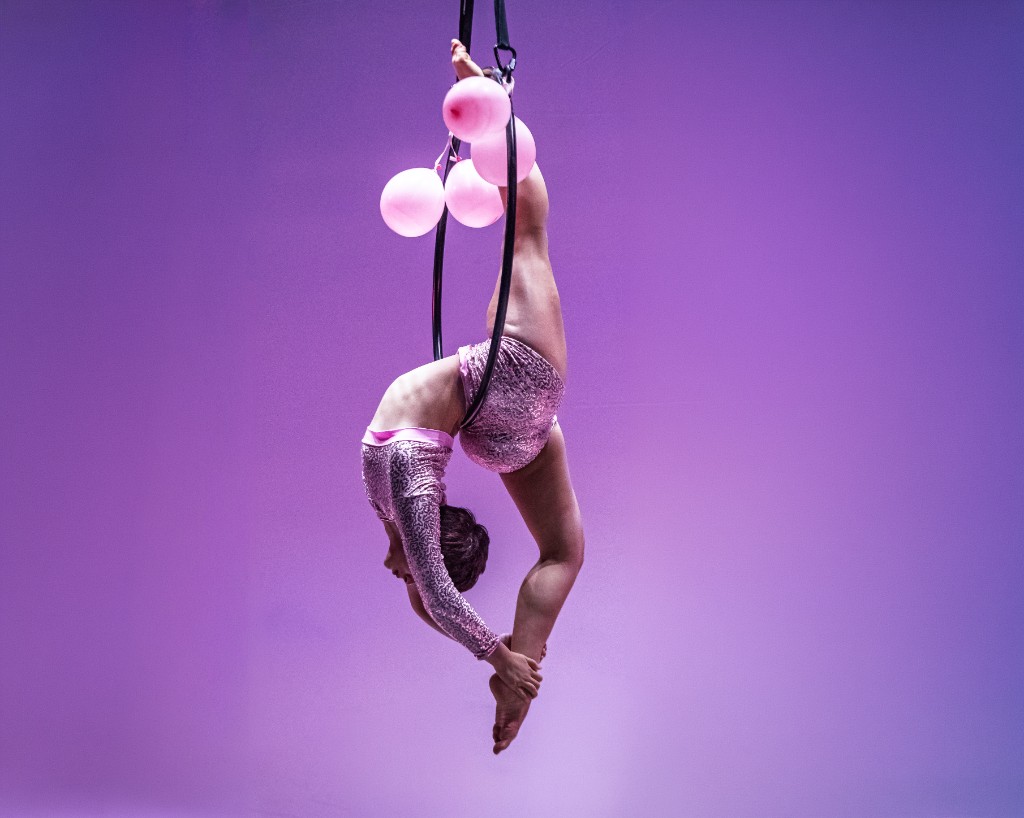
Why Choose Gaia Aerial Hoops?
If you are ready to take the next step, Gaia Pole aerial hoops offer all of this and more.
Developed by specialists in the aerial and pole industry using high-quality materials, Gaia’s aerial hoop is the official aerial apparatus of the Brazilian Pole Sports and Aerial Championship, following strict IPSF (International Pole Sports Federation) standards.
This is equipment manufactured under rigorous safety requirements, delivering stability, premium finishing, and confidence in every movement.
Beyond manufacturing equipment, Gaia Pole stands out through engineering solutions designed specifically for the aerial arts universe, providing complete structural solutions for installation and use in different spaces, from studios to residential environments.
👉 Explore the Gaia Aerial Hoop collection now and discover how to elevate your practice with premium equipment made for those who seek safety, even with their eyes closed.